A shelf of emergency food is only helpful if your household knows what to do with it—and wants to eat it. Start by checking your regular pantry for shelf-stable foods that can be eaten without a stove. Then build a small list around familiar meals, not novelty items that may sit untouched.
Choose familiar, shelf-stable food
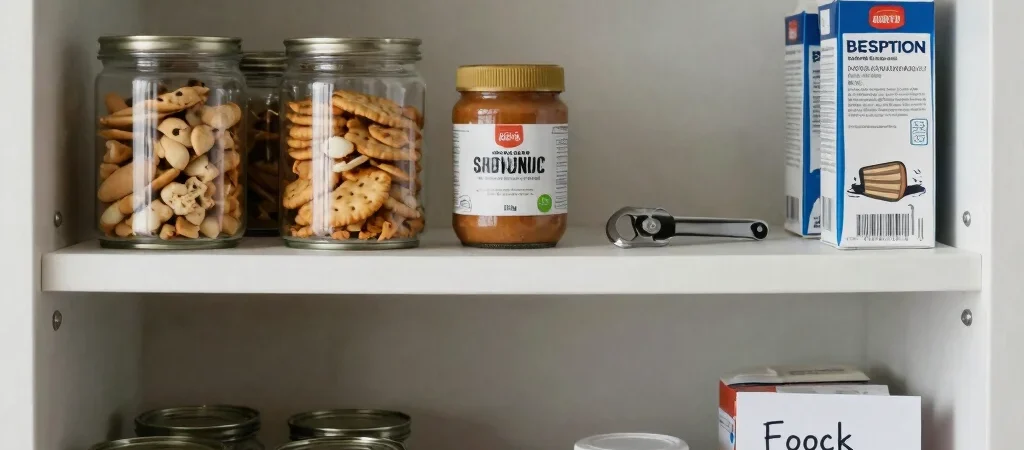
Consider canned beans, fish, fruit, or vegetables; nut or seed butter; crackers; and shelf-stable milk or alternatives if your household uses them. Read labels for serving needs, allergens, and whether an item requires cooking or refrigeration after opening. A manual can opener belongs on the list if your choices include cans.
Keep drinking water in your household plan, too, and follow local public-health guidance for safe storage and use. Think about the people who will share the food: preferred flavors, dietary needs, and easy-to-open packaging can matter more than a long shelf life. Rotate items into everyday meals and replace what you use.
Shop from a short list
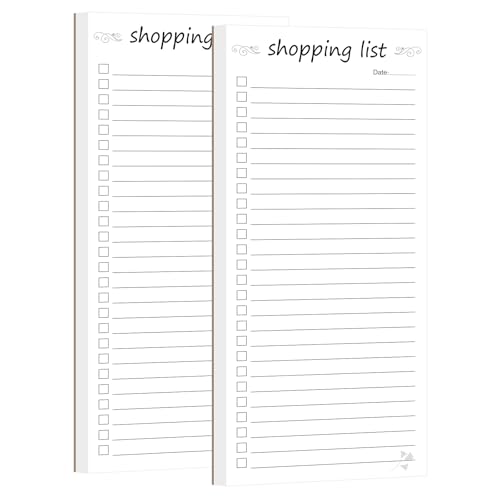
Before buying, note what is already in the cupboard and choose a few gaps to fill on your next regular grocery trip. Compare package size, cost per usable serving, storage space, and how much preparation an item needs. There is no single pantry list that suits every household, so let your normal meals guide the choices.
A practical shopping list might include a few familiar ready-to-eat foods, a manual can opener, drinking-water storage that fits your space, and any small supplies needed to serve the food. Some links in our shopping guides may be affiliate links, which can earn Prepping With Pennies a commission. Treat recommendations as options to compare, not a reason to spend beyond your budget.