When the lights go out, the first scramble is often for a flashlight, phone charger, or can opener. Before shopping, gather what your household already owns and test whether it works. A small, organized kit beats a closet full of gear you can’t find.
Cover the first essentials
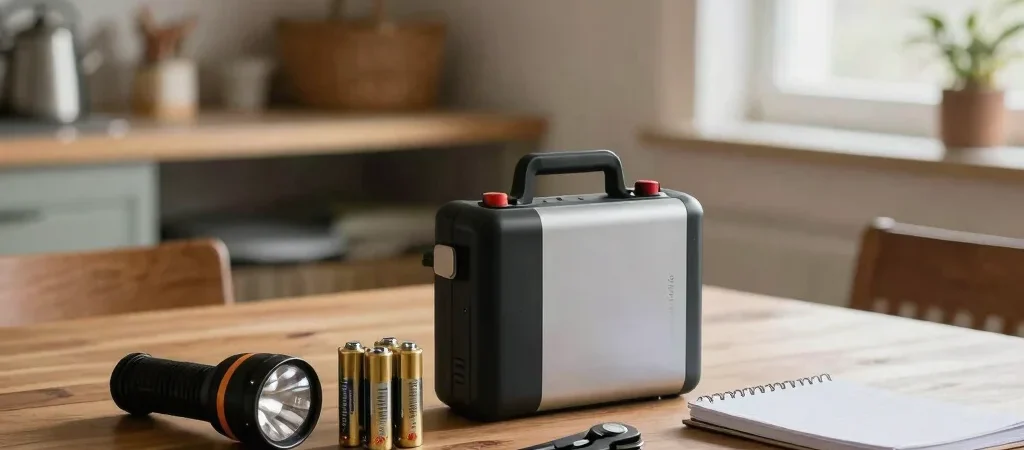
Start with dependable lighting, spare batteries that match it, a charged power bank, and a manual can opener if you keep canned food. Add a battery-powered or hand-crank radio if local alerts are hard to access on your phone. Keep the kit somewhere everyone at home can reach without hunting through boxes.
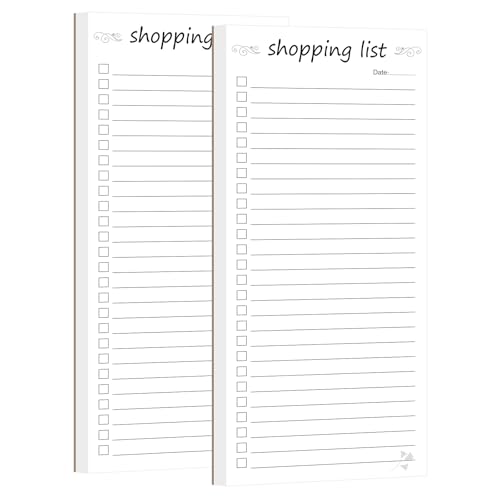
Check the items you already have: try the flashlight, inspect battery dates, and make sure the power bank still holds a charge. Write down what is missing rather than replacing working household supplies. If someone at home has a particular communication or mobility need, make room for the practical items that support that routine.
Buy in useful stages
If money is tight, fill one gap at a time. A working light and a way to keep a phone charged may be more useful this week than a large all-in-one kit with features your household won’t use. Compare battery type, charging method, replacement cost, and storage needs before choosing between options.
Store the kit in a labeled tote or drawer and put a reminder on your calendar to check it when the seasons change. This article may include affiliate links, and Prepping With Pennies may earn a commission from qualifying purchases. Use the list to compare what fits your home and budget; there’s no need to buy everything at once.